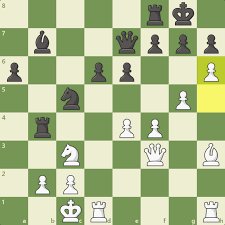
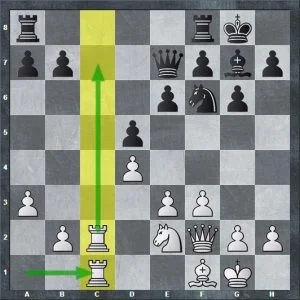
What does a middlegame look like?
A middle game looks like all your pieces are developed off their starting squares, your king has been castled out of the center and tucked away into safety, and you've got threats lined up for the win. Refer to the right image.But, what if I told you there were strategies to help boost your advantage for the win? Well here are some right now:
The middle can be where you play checkmate, but if you trade off enough or all of your pieces, you will find yourself in an endgame.
Why is the middlegame important?
The middle game is where some of the checkmating happens. Not only that but it also shows how brilliant you are by having loads of sacrificial opportunities available for lead in evaluation bar, or forcing checkmates. How well you perform in the middlegame will dictate your position in the endgame and if an endgame is winnable.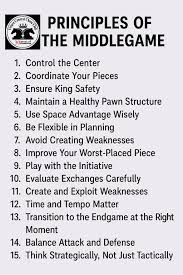
Why is the middlegame considered the hardest part of a chess game?
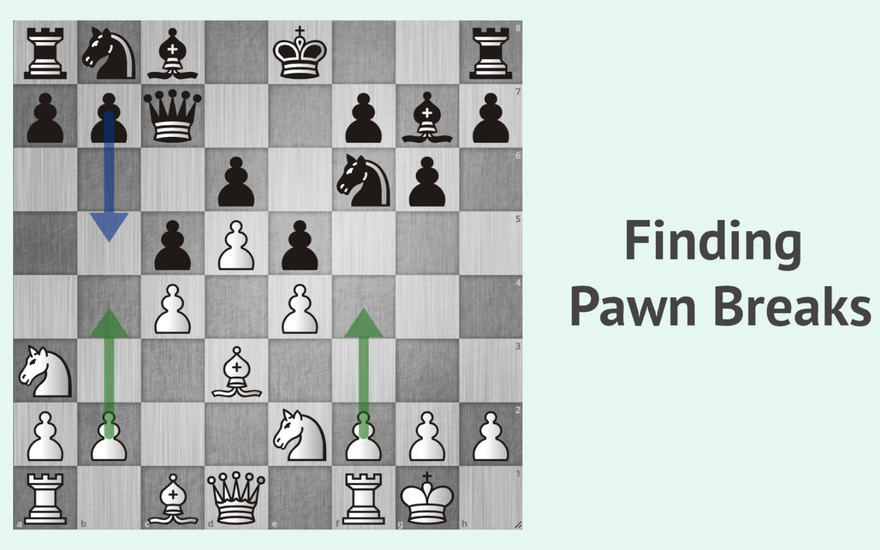
The middlegame is considered the hardest part of chess because the opening is memorization and theory, the endgame is more simplified, but the middlegame requires deeper thinking and eyeing out moves ahead. Not only that but you also have to think about your current position and how you could turn the game into a win and how to avoid losing later on. Tactics like pawn breaks help you by opening up the position for you to have some more breathing space for your pieces but so will your opponent.